A product backlog is a crucial tool for any product development team. It’s a prioritized list of features, enhancements, and bug fixes that need to be addressed in order to deliver value to customers. However, managing a product backlog can
Tag: product backlog
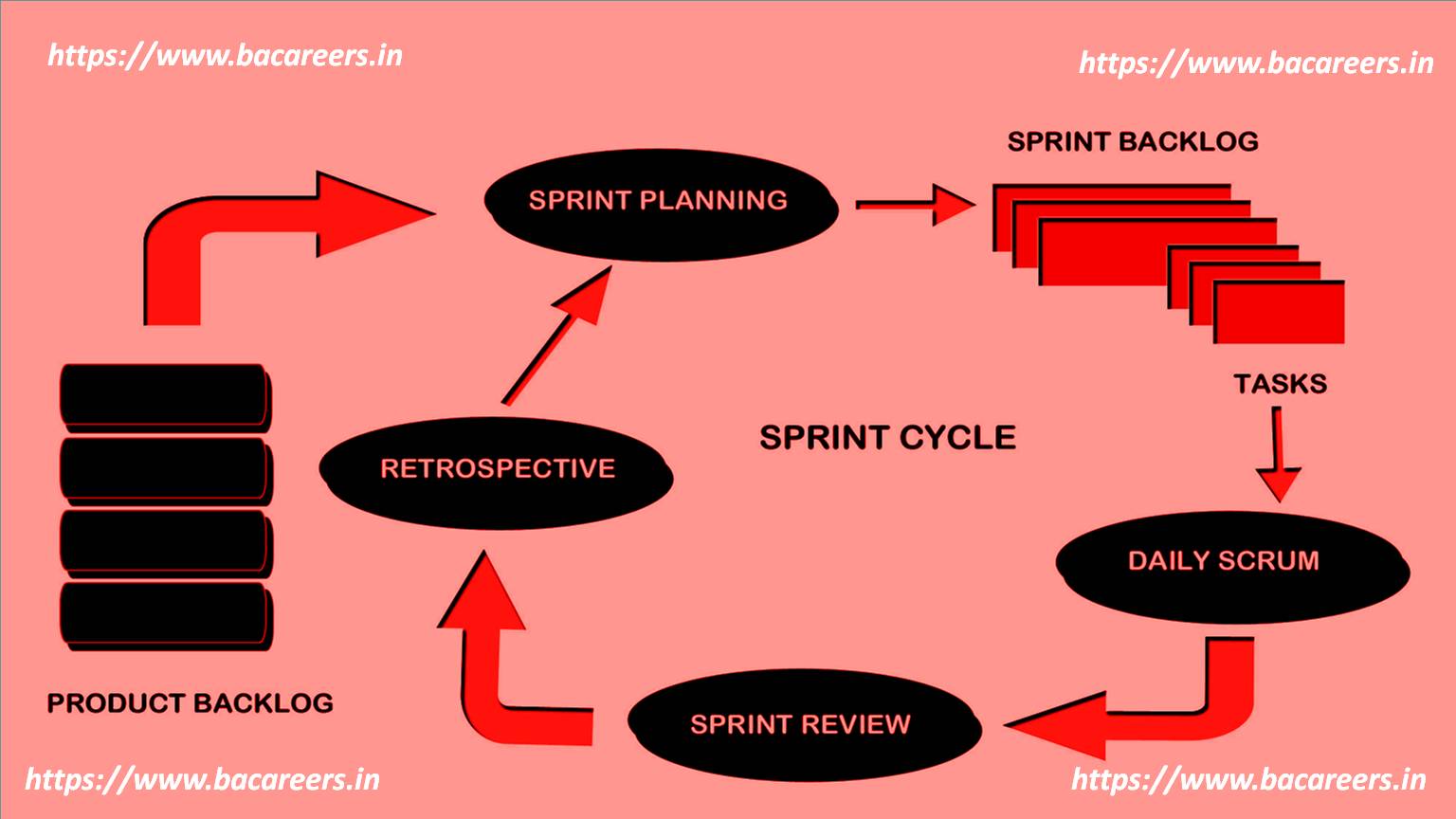
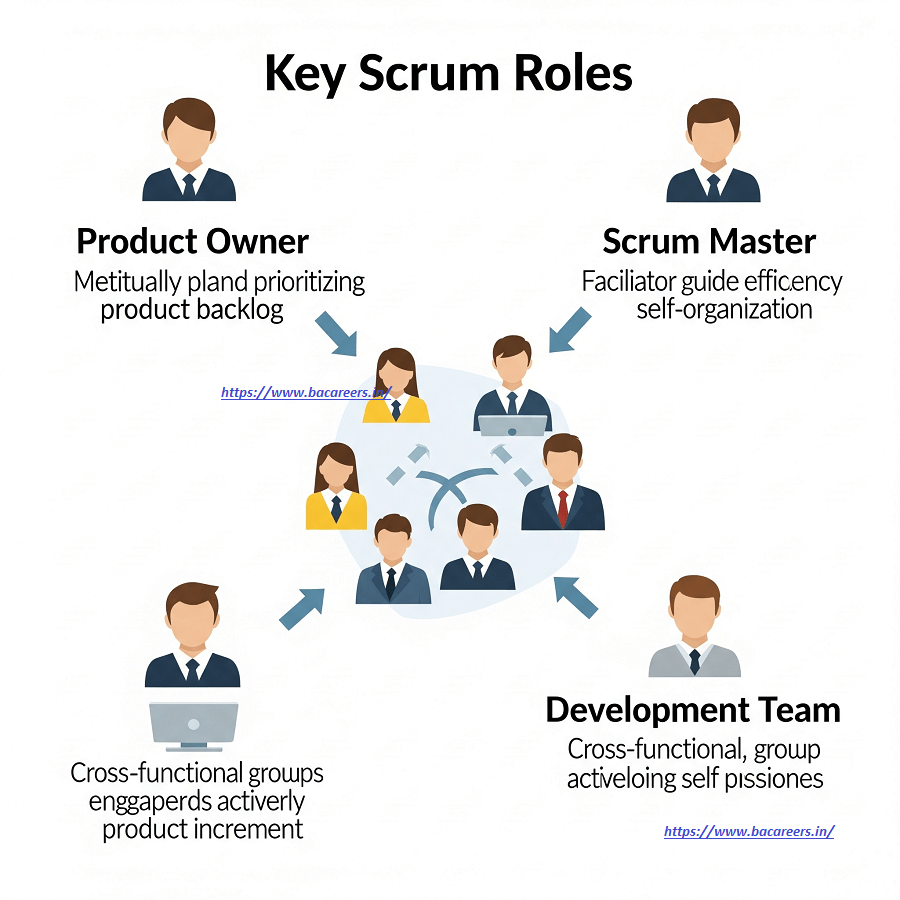
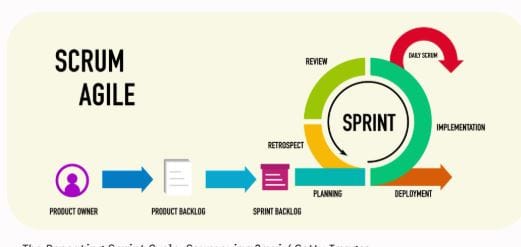
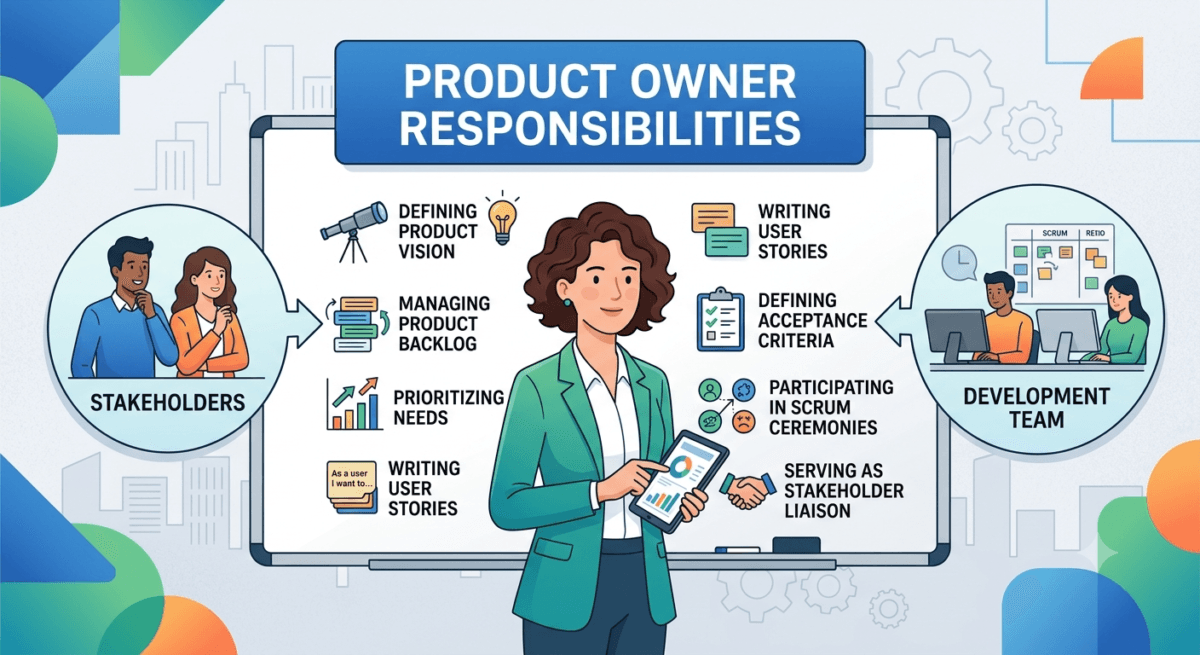
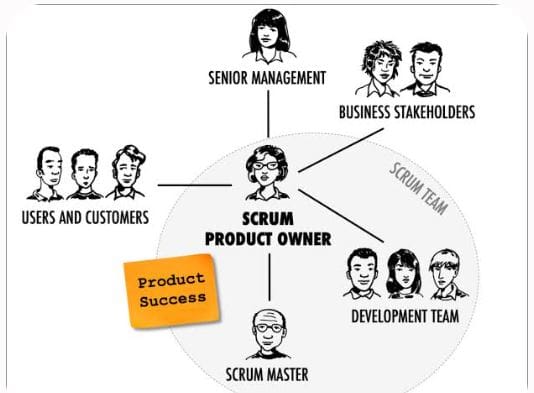
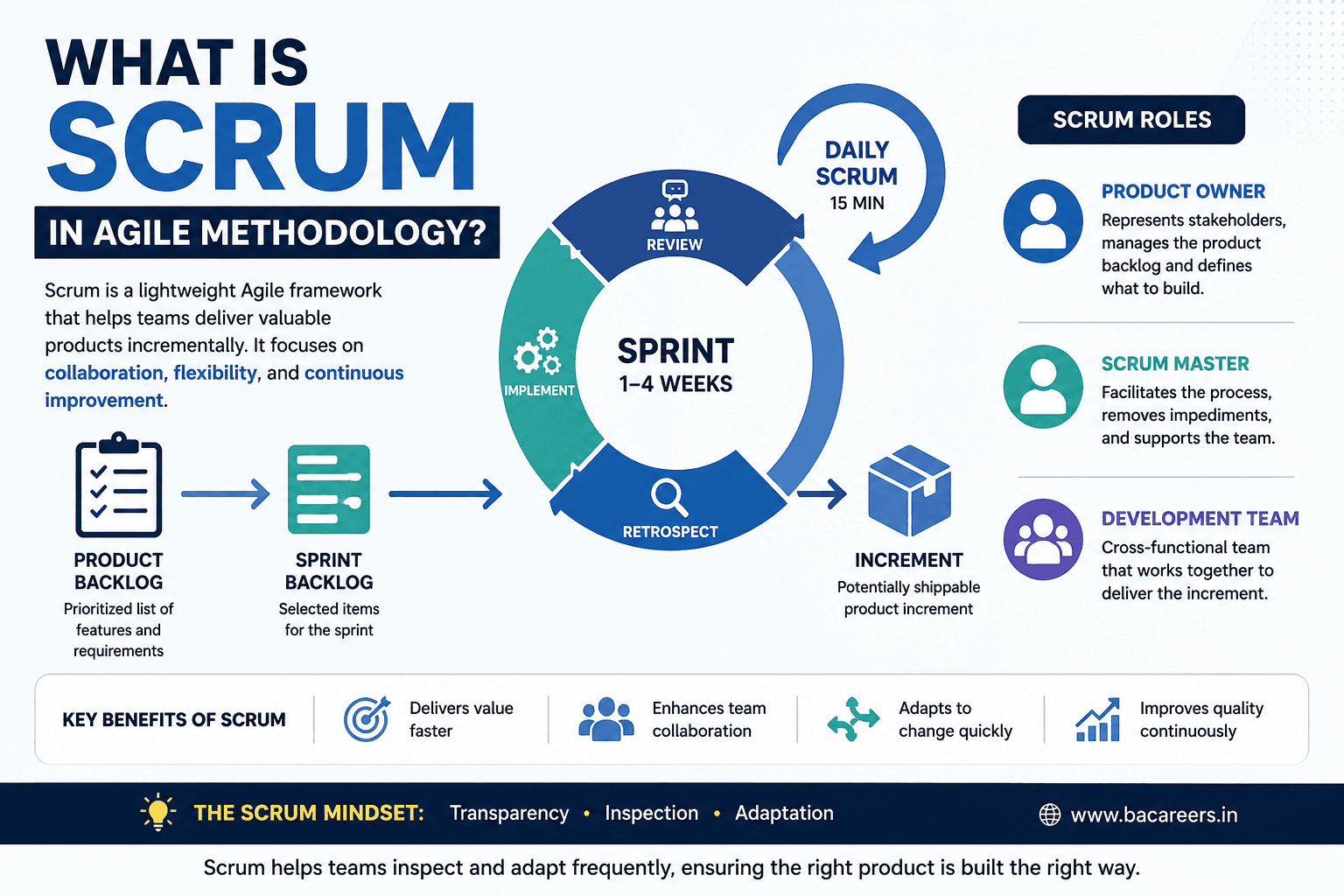
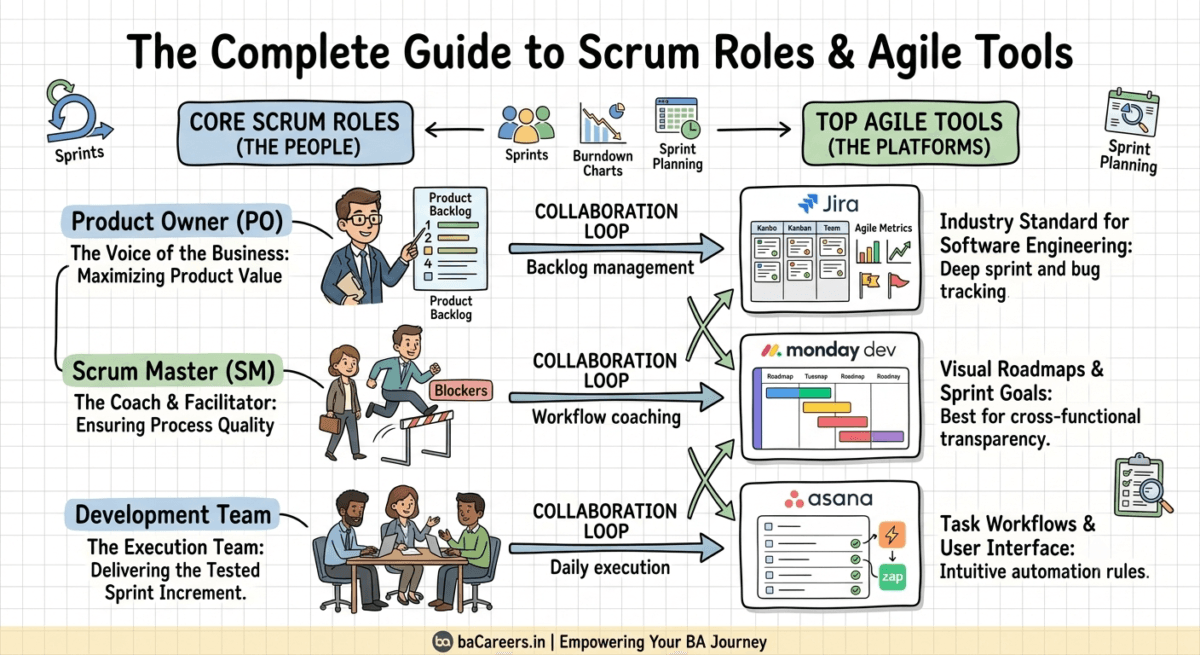
In Agile and Scrum methodologies, the product backlog is a prioritized list of features, enhancements, fixes, and other changes to be made to a product. It is managed and owned by the Product Owner, who is responsible for the product’s success.
Here’s what a product backlog typically includes:
- User Stories: These are brief descriptions of functionality, written from the perspective of a user or customer. Each user story includes a type of user, what they want, and why they want it.
- Tasks: These are actionable pieces of work that need to be completed to achieve a user story or a feature.
- Bugs or Defects: These are issues or errors that need to be fixed in the system.
- Enhancements: These are improvements to existing features.
- Technical Debt: This refers to tasks that need to be completed to fix code that is easy to manage in the short run but may cause problems in the future.
The items in the product backlog are typically written as user stories and are prioritized based on their business value, risk, complexity, and other factors. The most important items are implemented first during the development iterations, known as Sprints in Scrum.
The product backlog is a living document that evolves as the product and the market conditions change. The Product Owner is responsible for keeping the product backlog up-to-date and prioritized as per the needs of the project and the stakeholders.
Agile Methodology in Software Development Life Cycle
Now a day’s most of the companies are looking for Agile methodology because it is light weight and faster delivery. We can say if we not mentioned Agile methodology in our resume we