What are Scrum Meetings
Introduction
Don’t Hate on Scrum Meetings, they Help You Work Smarter
“I waste too much time in pointless meetings,” this is a lament heard all too often by people working in corporations today.
Thankfully, the Scrum
“I waste too much time in pointless meetings,” this is a lament heard all too often by people working in corporations today.
Thankfully, the Scrum
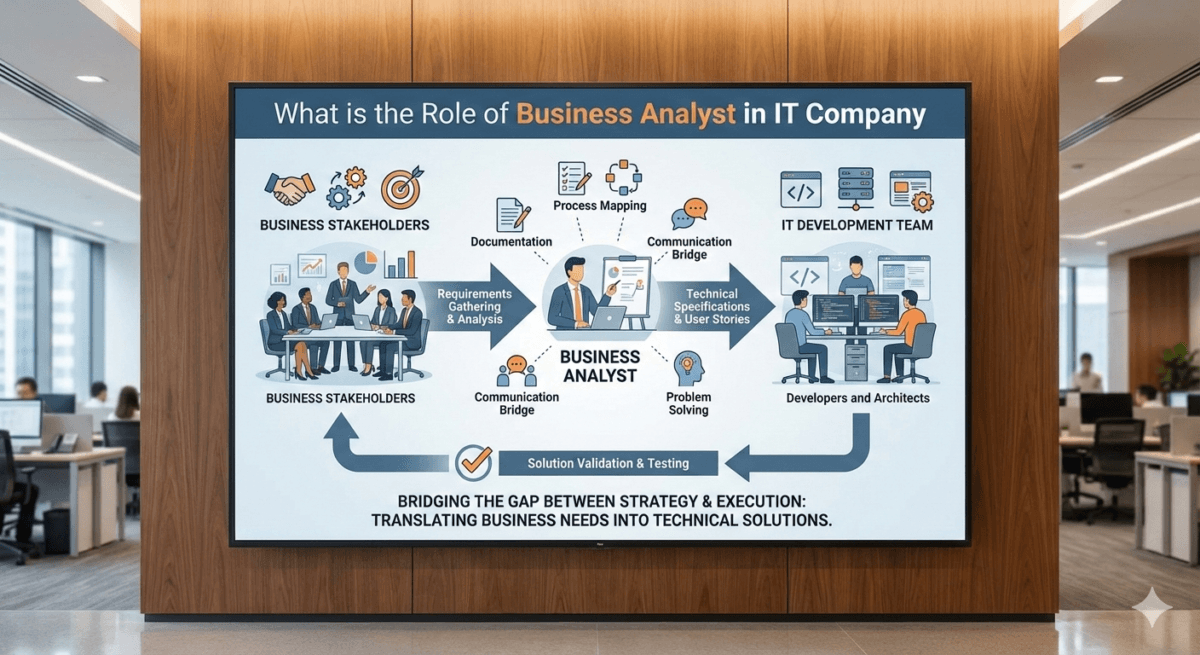
The BA’s Role in Agile Scrum as The BA is a Business Subject Matter Expert, the Functional liaison between the Business stakeholders and the Development Team, and a Product
Tell an experienced Business Analyst and he will undoubtedly mention that the hardest part of requirement gathering, is to manage a room with strong individual viewpoints where every one of them thinks that their opinion matters most. The
Requirement gathering is simply a type of elicitation, that’s employed by business analysts to uncover software specifications, through real-world examples such as; interviewing executives in one on one setting to
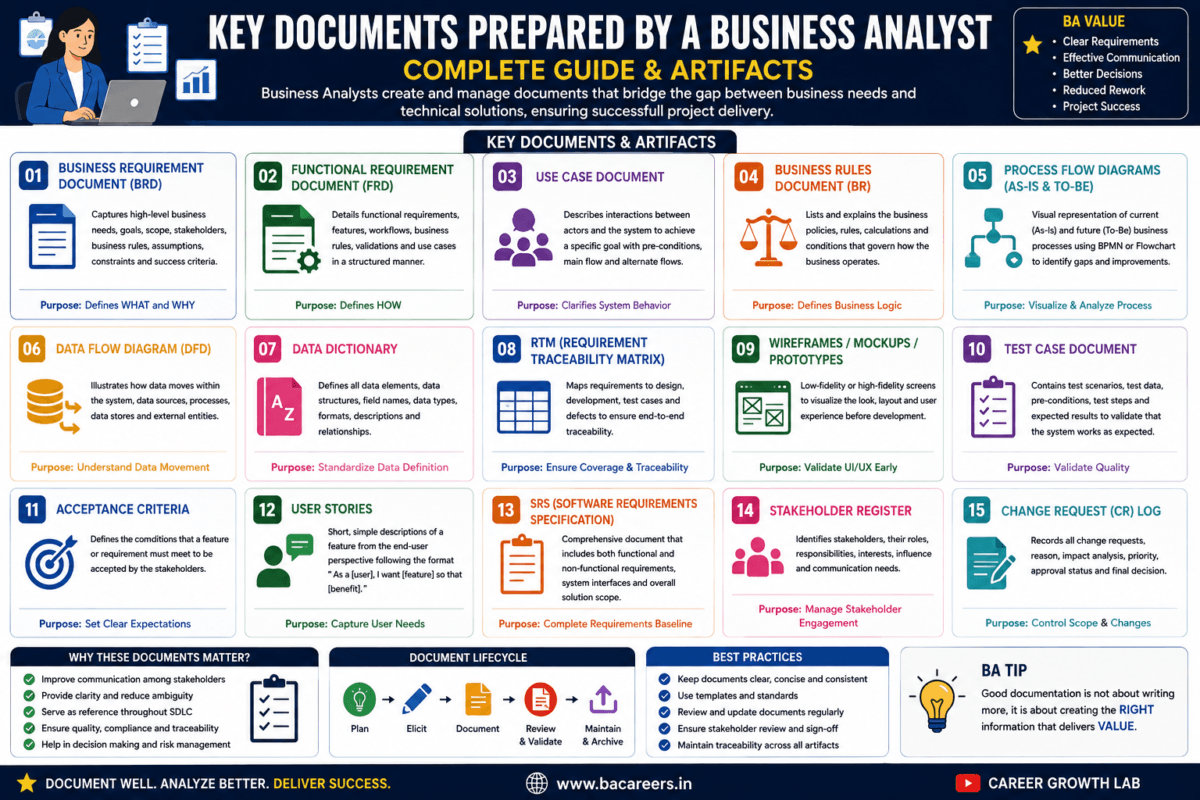
Here’s the difference between a BRD and FRD, in brief. The main differences between a BRD and FRD is: who the intended audience of the document is, and scope. BRD covers a high-level
Because software development today operates in such a fast-paced environment in which everything is constantly changing, it’s unlikely that traditional methods of project management will always work as effectively. This is where Agile product development methodology can
A product owner (PO) in an agile development team oversees the product being developed. He or she stands between the business and the act – between an idea and the final product, to deliver value by developing software
Product Owner: The “secret sauce” to Scrum’s real product value Scrum is not about moving at a fast pace to churn out software; rather, it’s about producing the correct product. What a lot of traditional project management styles lack:
As software testers, a common dilemma is the everlasting question, “How do we know that we have tested everything?”. Without correlating our test cases to the requirements, our QA teams are basically flying blind. And that is exactly where
In the fast-paced world of software development today, nothing creates more project risk than the disconnect between what the business ordered and what engineering delivered. This leads to missed deadlines, budget overages, and a dissatisfied client. Business Analysts (BAs)
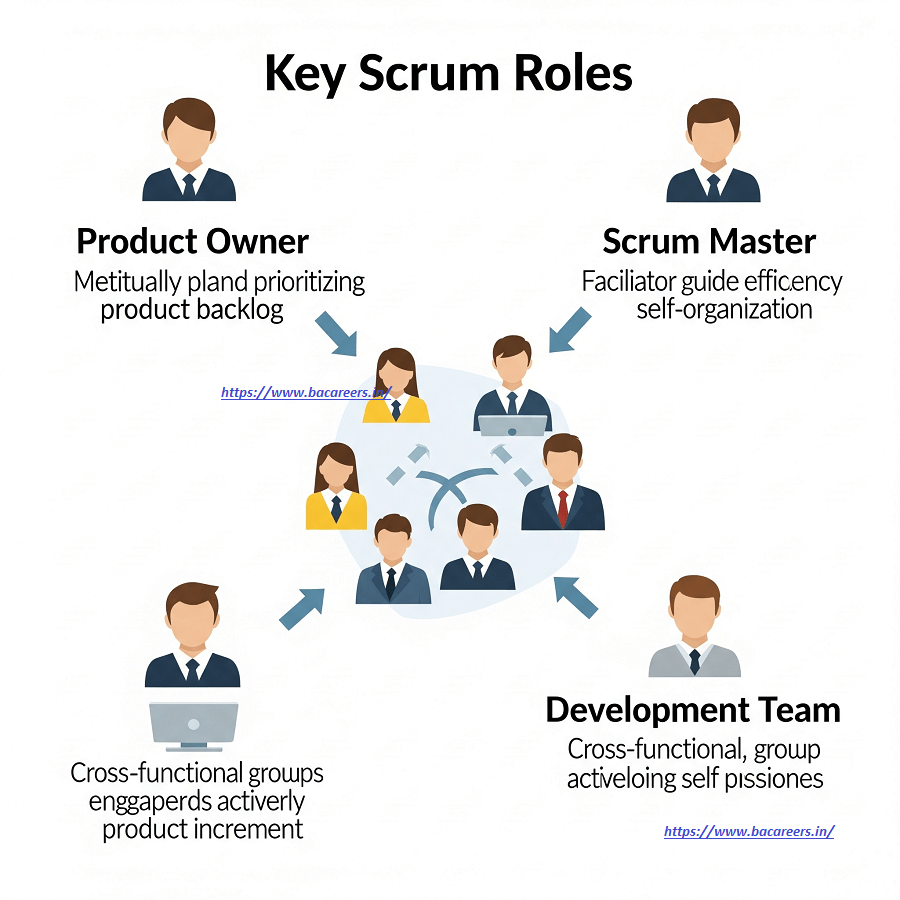
“Since Scrum is an interactive, ordered framework, learning about it means knowing what Scrum Roles, Scrum Ceremonies and Scrum Artifacts you’re working with to maintain flow on a project. Use this index to check out Scrum in
Writing a Banking Business Requirements Document (BRD) for financial software requires an attention to detail that goes way beyond any general business analysis. In banking, a faulty requirement doesn’t
Business Process Management (BPM) Software is the heart that beats within modern banking operations. As a Business Analyst (BA) working on a banking BPM implementation, your role goes beyond simply sketching
Retail Banking Domain Knowledge : Retail Banking Knowledge as a Central guide for Business Analysts. For any Business Analyst stepping into the finance services sector, merely understanding concepts such as
When companies look to fill a Business Analyst role, they generally have two very specific skill sets in mind: hardcore BA competencies (user stories, wireframes, requirements gathering) and
Unified Payments Interface : Payments is going through some radical shifts, as technology advances at a phenomenal pace. While the ecosystem moves forward with technology, UPI continues to be a catalyst for this transformation by redefining how we transact. What
Payments have changed in an instant! You do not just need basic credit card or settlement files – in this industry, you need functional experience! A Payment BA is basically
If managing competing requirements across several departments seems difficult and will be the cause of going scope, use a Stakeholder Management Matrix! As a Business Analyst you act as the conduit to a business stakeholders. However in most business’s there
Requirement elicitation is the pivotal first step in software development projects. It involves understanding and documenting the needs, desires, and constraints of stakeholders to create a comprehensive set of requirements for the system to be developed. Effective requirement elicitation lays
The Scrum Framework is one of the most popular Agile frameworks used to manage complex product development and software projects. It promotes collaboration, transparency, and iterative progress toward well-defined goals.
Scrum is based on empirical process