What if the key to a secure, perfectly efficient supply chain isn’t a futuristic AI, but something already available, just waiting to be used?
Blockchain is no longer just a trendy term.
It’s a real

BACareers – Business Analyst Career Guides
Practical Guides, Templates & Career Roadmaps to Help You Become a Business Analyst
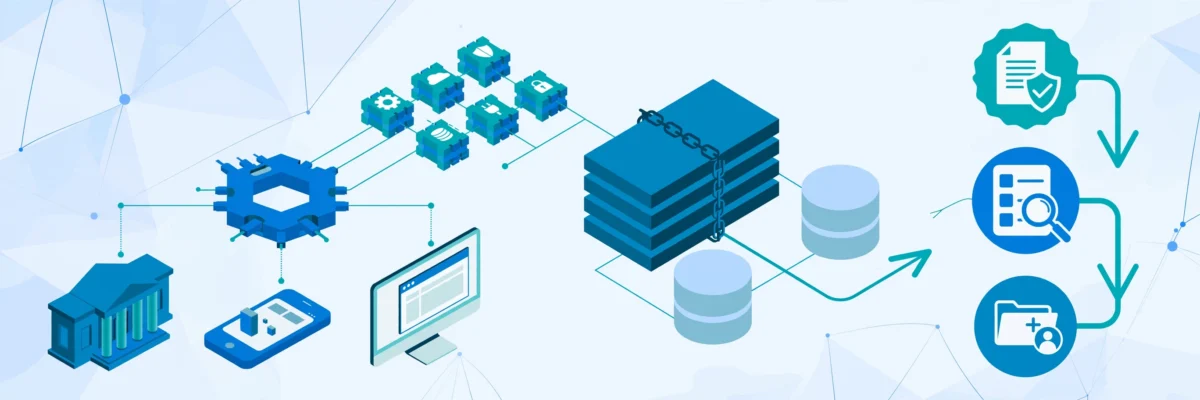
What if the key to a secure, perfectly efficient supply chain isn’t a futuristic AI, but something already available, just waiting to be used?
Blockchain is no longer just a trendy term.
It’s a real
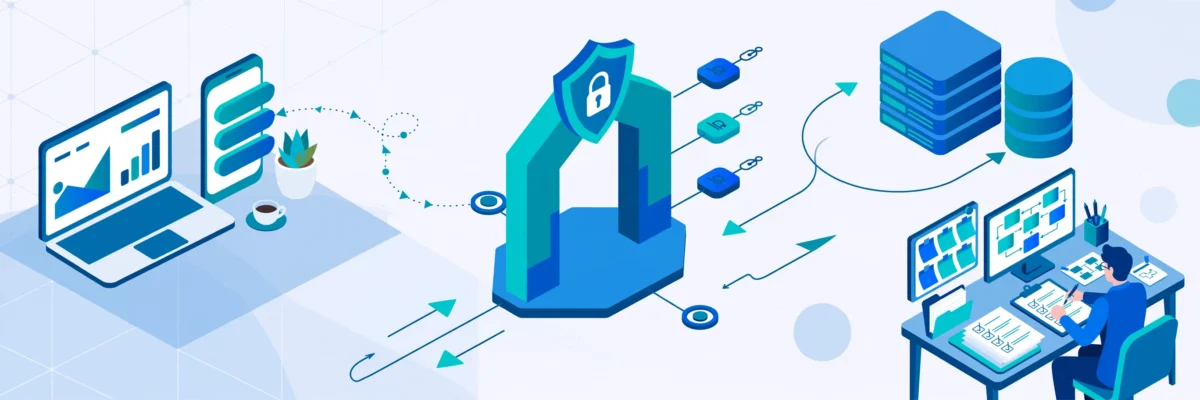
In modern software engineering, web applications rarely operate in isolation. They rely heavily on an API (Application Programming Interface) to transmit data seamlessly between frontend user interfaces, backend systems, and third-party external services.
For a Business Analyst, understanding what an
In modern software product development, JIRA and Confluence form the industry-standard tooling ecosystem for managing Agile backlogs and technical documentation.
For an Agile Business Analyst, configuring an efficient JIRA & Confluence setup is critical for bridging the gap between
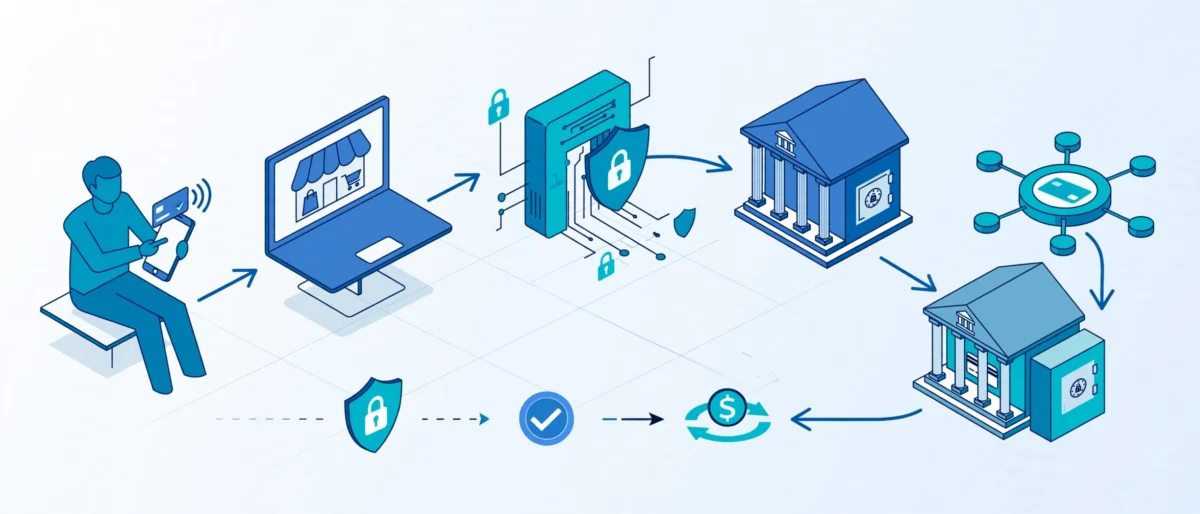
In online commerce and financial technology (FinTech), a Payment Gateway acts as the digital front door for secure card processing, merchant checkout flows, and payment authorization.
For a FinTech Business Analyst, mastering how payment gateways work and understanding every
In retail banking and modern financial technology (FinTech) platforms, a Core Banking System (CBS) serves as the central operational backbone. It drives daily financial transactions, customer relationship management, interest calculations, deposit accounting, and general ledger updates.
For any FinTech Business
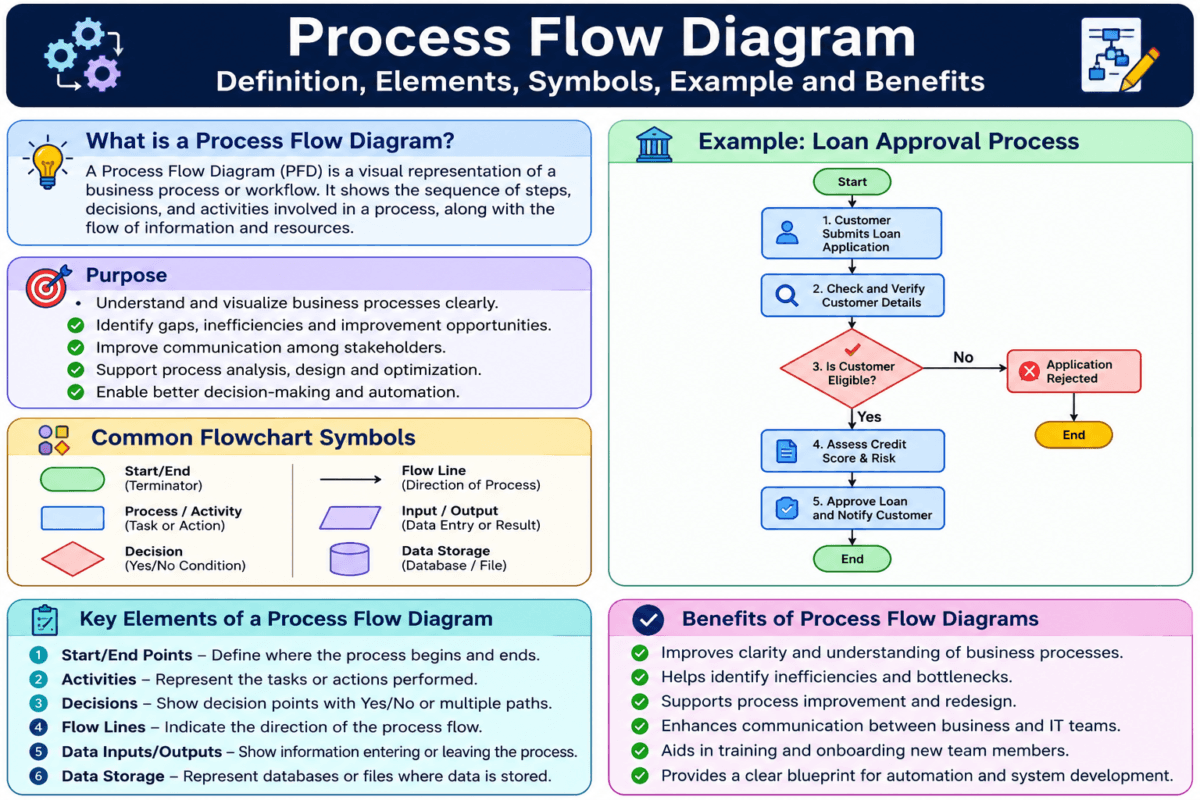
In software engineering and business analysis, a Process Flow Diagram serves as a foundational visual artifact for mapping operational workflows. By utilizing BPMN 2.0 (Business Process Model and Notation) standards, Business Analysts (BAs) can transform complex business steps into clear,
In software engineering and business analysis, a UseCase Diagram is a core Unified Modeling Language (UML) artifact that visually captures how external actors interact with a system to achieve specific goals. It establishes system boundaries, defines operational scope, and ensures
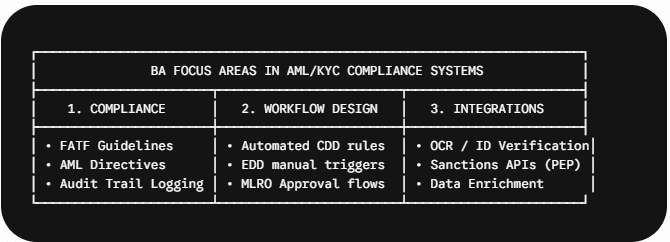
In the highly regulated domains of Banking, FinTech, and Financial Services, Customer Due Diligence (CDD) and Enhanced Due Diligence (EDD) are critical components of Anti-Money Laundering (AML) and Know Your Customer (KYC) compliance.
When financial institutions build or upgrade their
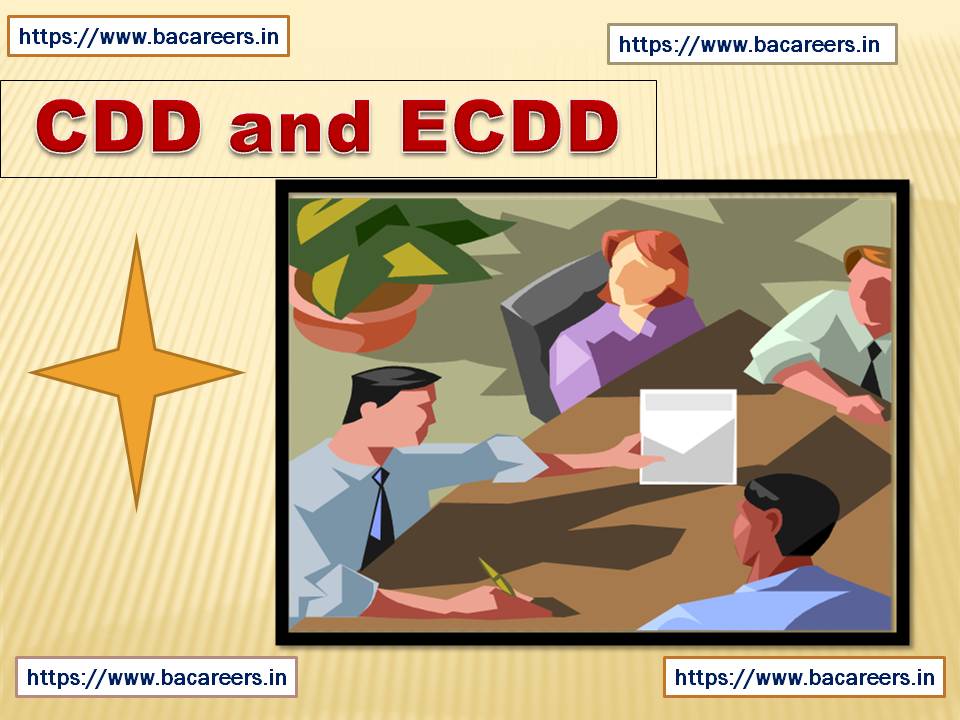
In banking, financial services, and FinTech platforms, Enhanced Customer Due Diligence (EDD) is an advanced level of Know Your Customer (KYC) and Anti-Money Laundering (AML) compliance. While standard Customer Due Diligence (CDD) verifies identity for typical low-to-medium risk profiles, EDD
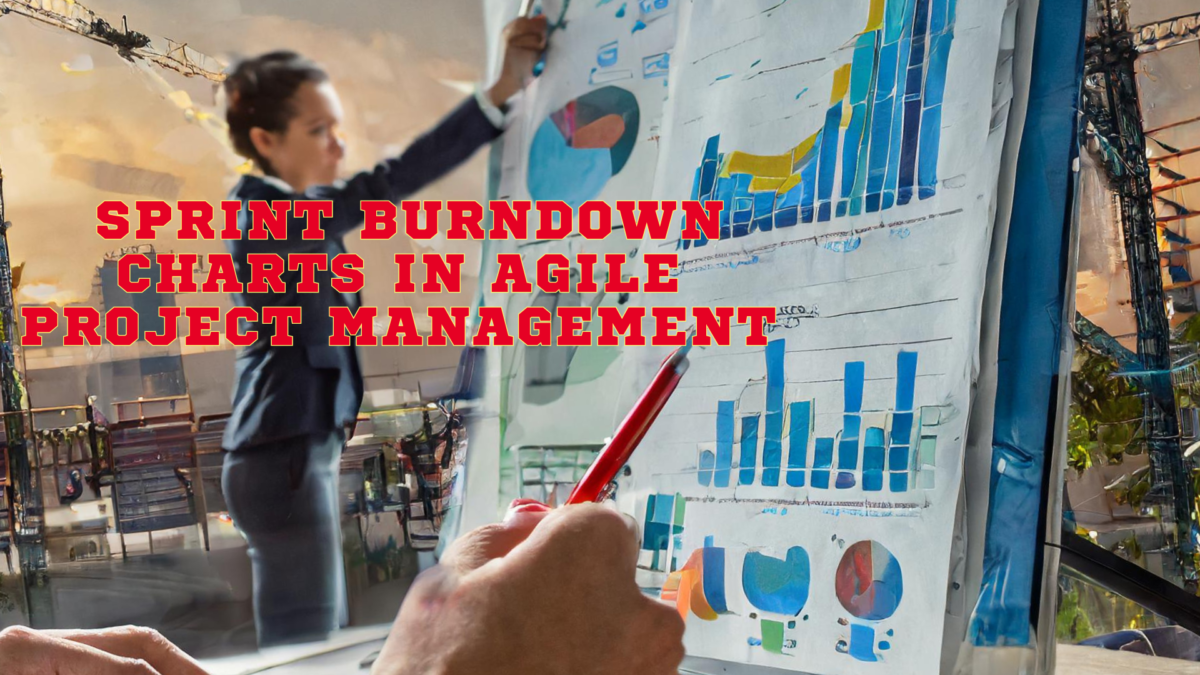
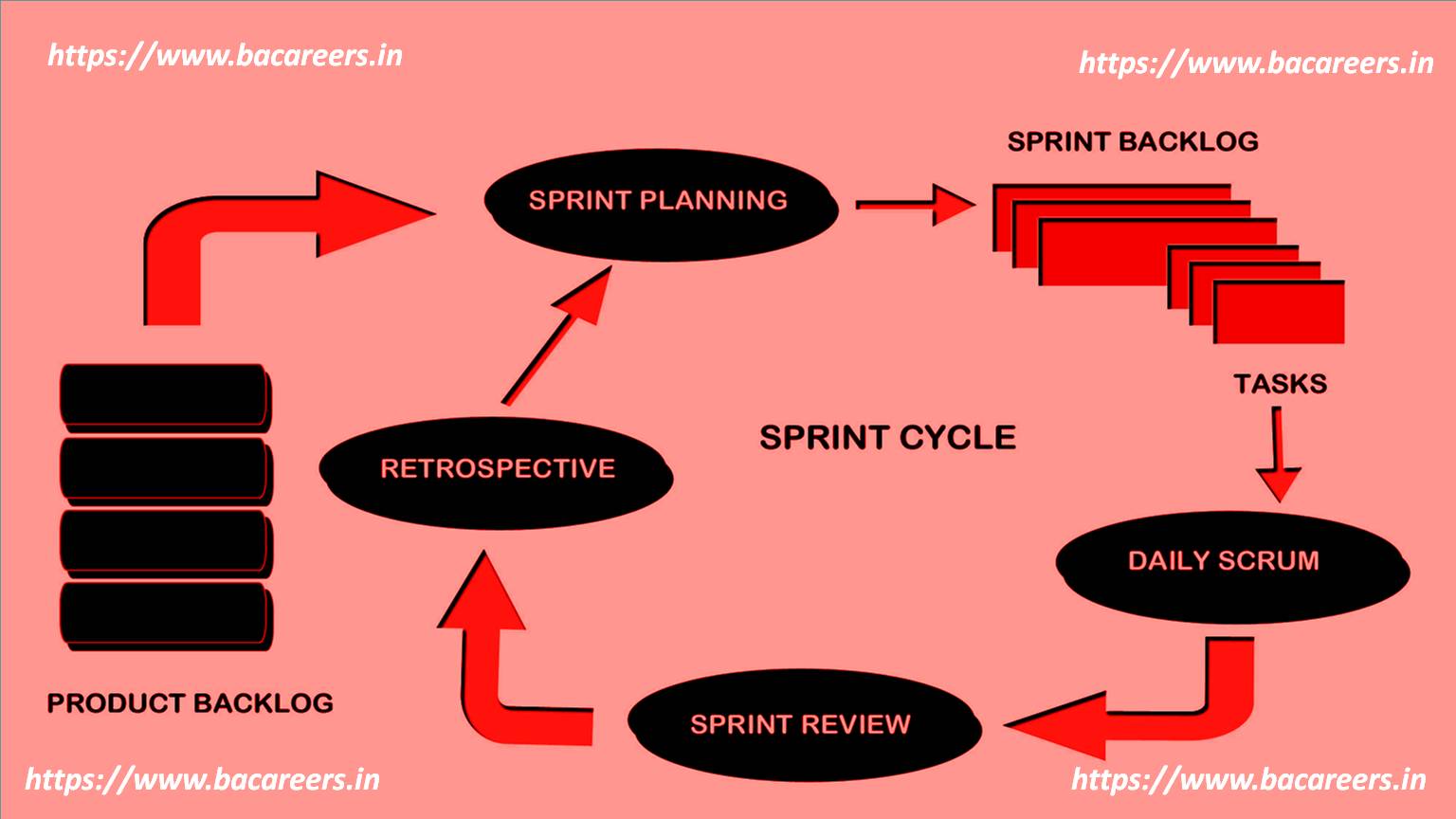
In Agile software development—specifically within the Scrum framework—a Sprint Burndown Chart is a critical visual tracking tool. It displays the amount of remaining work in a sprint on a daily basis, allowing Scrum teams, Product Owners, and Business Analysts to
A Cost-Benefit Analysis (CBA) is a fundamental analytical framework used by Business Analysts (BAs), Project Managers, and executive leaders to evaluate the financial feasibility of a proposed project, software investment, or strategic change. By systematically comparing total expected costs against
In software engineering, SRS stands for Software Requirements Specification. An SRS document serves as the single source of truth that bridges the gap between business stakeholders, system architects, software developers, and quality assurance (QA) teams.
It provides a complete,
In software development and organizational change, documentation is the primary mechanism for aligning stakeholders, engineering teams, and business leadership. Having a standardized set of Business Analysis Templates ensures consistency, accelerates requirement gathering, and reduces communication gaps across project lifecycles.
Whether
Digital marketing is no longer just about creative campaigns and social media presence—it is a data-driven, technology-dependent ecosystem. Business Analysis in Digital Marketing bridges the gap between marketing strategies and technical execution. By applying Business Analysis (BA) principles, organizations can
In software engineering and business analysis, Functional Requirements (FRs) define what a system must do. They outline the specific behaviors, capabilities, business rules, features, and responses that a software system must perform to fulfill business needs and solve user problems.
The Waterfall methodology is a linear, sequential Software Development Life Cycle (SDLC) model where progress flows downwards through distinct phases—much like a cascading waterfall. In a pure Waterfall framework, each phase must be fully completed, documented, and signed off before
Requirement prioritization is the process of evaluating, categorizing, and ranking software requirements to determine the exact order in which they should be built and delivered. For Business Analysts (BAs), Product Owners, and Scrum Masters, effective prioritization ensures that limited development
In Agile product development and Scrum frameworks, INVEST is an acronym and quality assurance checklist used by Business Analysts and Product Owners to ensure that User Stories are well-formed, actionable, and ready for development during sprint planning.
Created by Bill
In Agile product development and Scrum frameworks, an Epic is a large body of work that captures a significant business requirement or overarching feature set that cannot be completed in a single iteration or sprint.
Because an Epic is too