Introduction
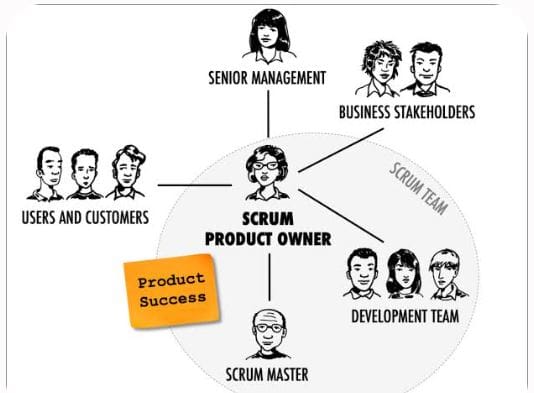
Product Owner: The “secret sauce” to Scrum’s real product value Scrum is not about moving at a fast pace to churn out software; rather, it’s about producing the correct product. What a lot of traditional project management styles lack:

BACareers – Business Analyst Career Guides
Practical Guides, Templates & Career Roadmaps to Help You Become a Business Analyst
Acceptance criteria in Agile refer to a set of predefined requirements or conditions that must be met for a user story to be considered complete1. They serve as a way to define the scope and specific expectations for the work to be done, ensuring that the deliverables meet the needs and expectations of the stakeholders. Acceptance criteria help to align the understanding between the development team and the customer or product owner, providing clarity on what needs to be accomplished.
Acceptance criteria are sometimes referred to as the “definition of done” because they establish the criteria that developers must fulfill to consider the user story finished1. These criteria are typically written from the user’s perspective and focus on the intended functionality and behavior of the product. They help guide the development process and act as a basis for acceptance testing to verify that the delivered work meets the specified requirements.
By clearly articulating the conditions that must be met for a user story to be accepted, acceptance criteria support effective communication, collaboration, and shared understanding among team members. They contribute to the iterative and incremental nature of Agile development, allowing for feedback and adjustments as the product evolves.
It is important to note that acceptance criteria can vary based on the nature of the project and the organization’s specific needs. They should be specific, measurable, achievable, relevant, and time-bound (SMART) to ensure clarity and avoid ambiguity.
Overall, AcceptanceCriteria play a vital role in Agile development by providing a shared understanding of what constitutes a complete and satisfactory deliverable.
Product Owner: The “secret sauce” to Scrum’s real product value Scrum is not about moving at a fast pace to churn out software; rather, it’s about producing the correct product. What a lot of traditional project management styles lack:
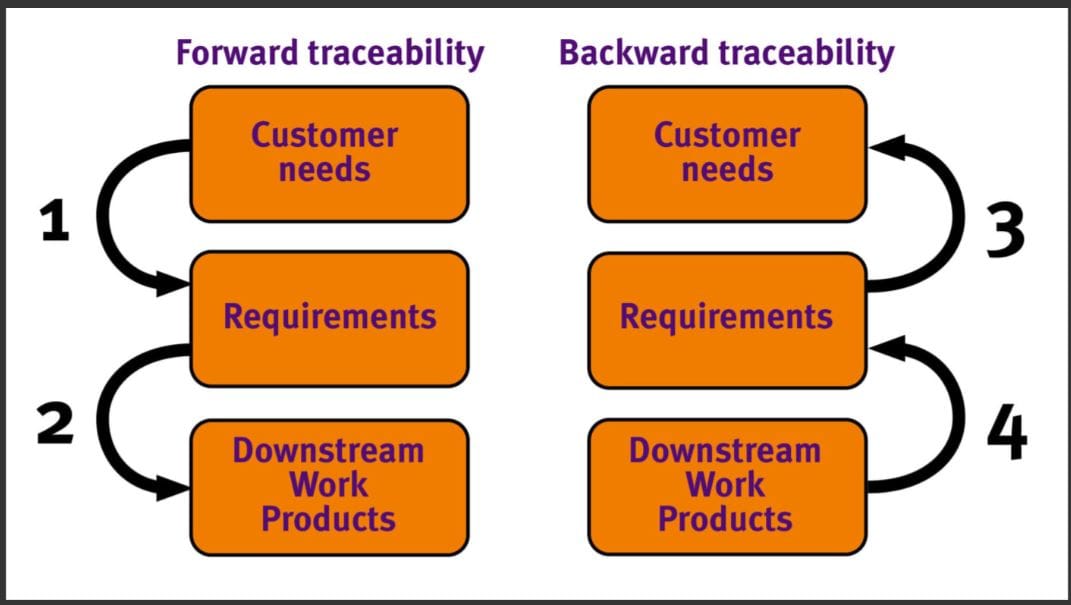
As software testers, a common dilemma is the everlasting question, “How do we know that we have tested everything?”. Without correlating our test cases to the requirements, our QA teams are basically flying blind. And that is exactly where
“Since Scrum is an interactive, ordered framework, learning about it means knowing what Scrum Roles, Scrum Ceremonies and Scrum Artifacts you’re working with to maintain flow on a project. Use this index to check out Scrum in
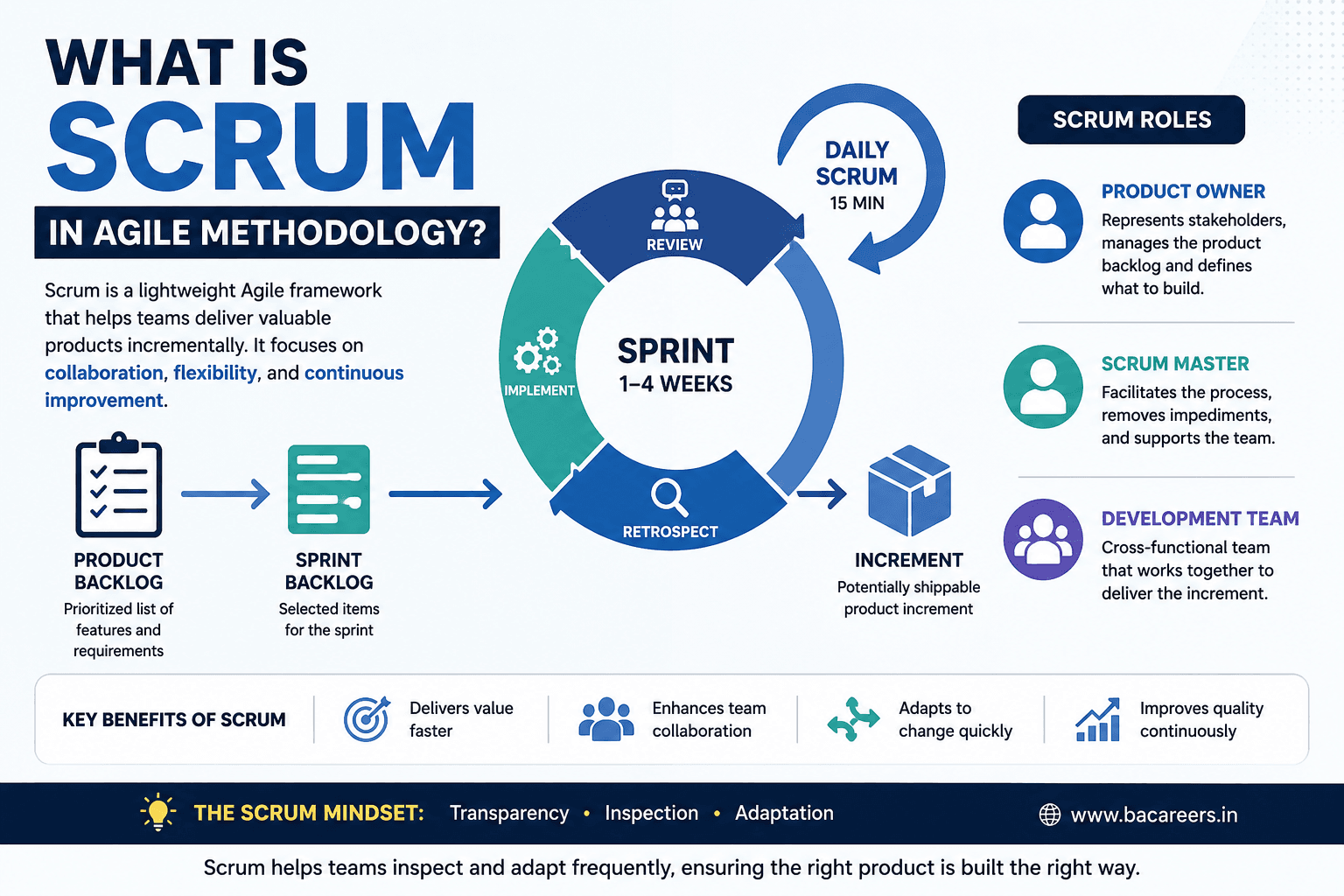
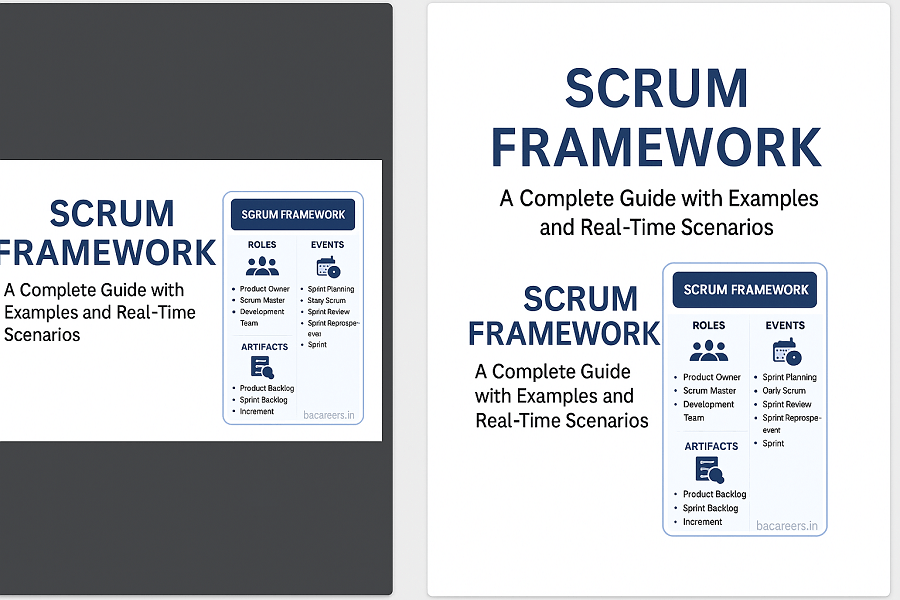
The Scrum Framework is one of the most popular Agile frameworks used to manage complex product development and software projects. It promotes collaboration, transparency, and iterative progress toward well-defined goals.
Scrum is based on empirical process
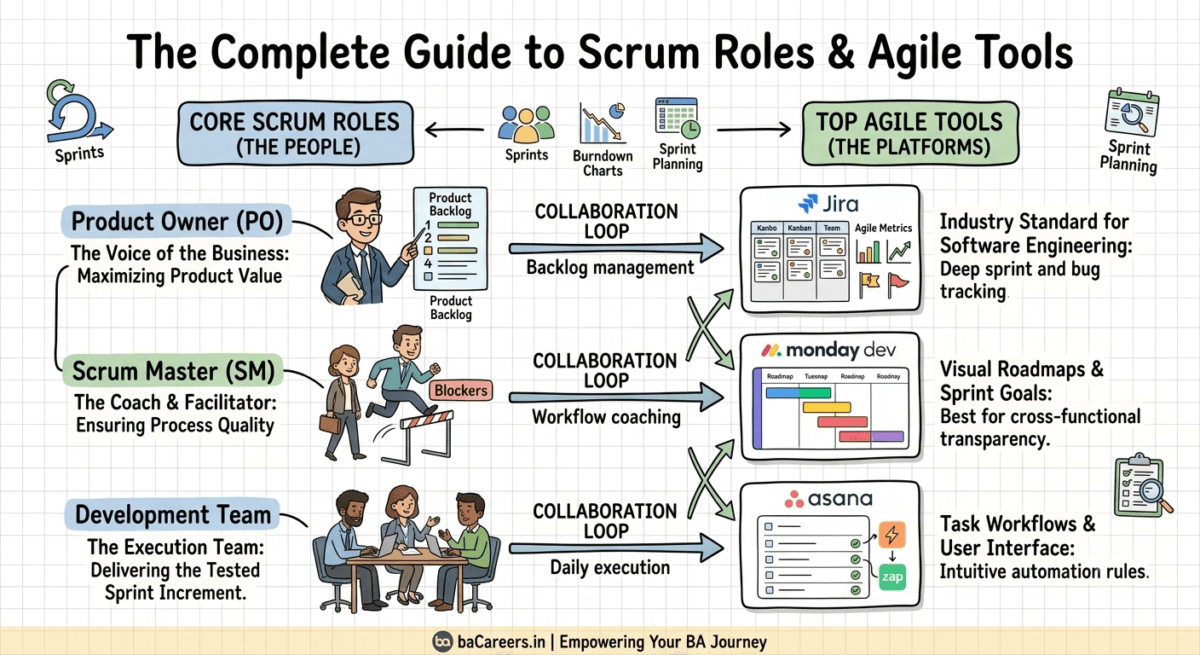
The Ultimate Guide to Scrum Roles and Agile Tools. Achieving on-time, high-quality software delivery involves two components: precise human roles and robust software. When an organization decides to transition to the Scrum framework, it typically faces two initial hurdles:
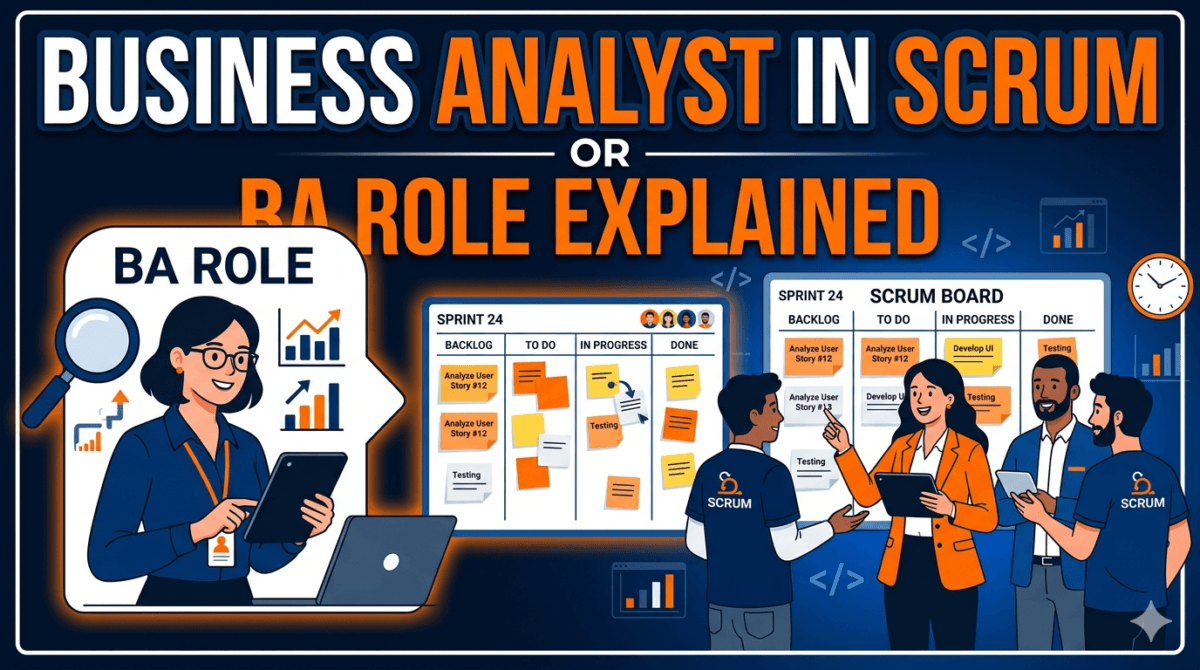
Role of Business Analyst in Agile Scrum : Imagine spending six months gathering requirements. The development team builds everything. After the succceful development client says :
“That is not the requirement what we given.”
Now the project is delayed
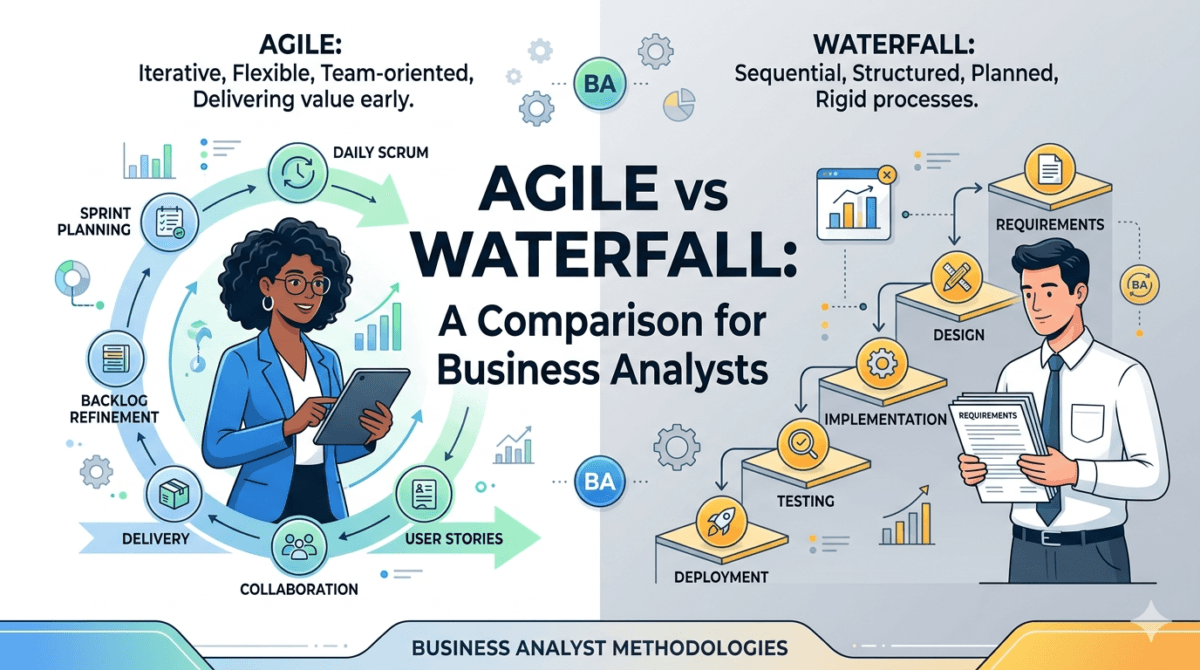
Agile vs Waterfall for Business Analysts – Imagine spending 8 months collecting requirements for a project and just before release the
Most Business Analysts take part in Agile ceremonies every sprint — daily stand–ups,
“Forget what you think you know about BA metrics. Most Business Analysts are measuring the wrong things, and this can make their big contributions to Agile success go unnoticed. In this guide, we’ll reveal the
Negotiation skills for Agile Product Owners
In the fast-paced world of business, speed, adaptability, and innovation are essential for survival. Agile Thinking is not just a methodology—it’s a mindset that empowers individuals
Agile leadership is not about being the boss; it’s about guiding teams with flexibility, empathy, and empowerment. In today’s fast-changing business environment, traditional command-and-control leadership styles are no longer effective. Agile leaders focus on
Agile Business Analysis Techniques – Agile Business Analysis focuses on delivering value quickly and efficiently. Unlike traditional models, Agile Business Analysts (Agile BAs) work closely with the development team and stakeholders
Agile vs. Waterfall for Business Analysts : In the world of software development and project management, two popular methodologies—agile and waterfall—come to the fore. For business analysts, understanding these processes is
User Story Writing Best Practices : User feedback is an important part of agile project management and provides a simple and effective way to capture product requirements. They help bridge the gap between development teams
Agile Methodology for Business Analysts : Agile methodology is a revolutionary software development approach that emphasizes flexibility, collaboration, and customer satisfaction. This is in contrast to traditional methods such as waterfall, where projects are broken
Daily Standup Meeting : Standup meetings are a crucial part of Agile project management, fostering communication, collaboration, and alignment within teams. This guide will walk you through how to conduct effective standup meetings and provide tips to enhance their effectiveness.
A Daily Standup Meeting, often referred to simply as a “standup,” is a short, time-boxed meeting where team members quickly discuss their progress, plans, and any obstacles they’re facing. This agile ceremony is crucial
Agile methodology is a popular approach in project management that emphasizes flexibility, collaboration, and customer-centric development. One key component of Agile is the “epic.” In this article, we’ll explore what an epic is, provide examples, and offer guidance on how
Practical learning resources to help you build Business Analysis skills, understand Agile, master documentation and explore AI in banking.
Explore these eBooks on Amazon. Availability and pricing may vary by marketplace.