Essential Data Analyst Tools Discover a List of The 14 Best Data Analysis Software & Tools On The Market for Data Analysts
The reason is simple as utmost of the data is stored in relational databases and you need to

BACareers – Business Analyst Career Guides
Practical Guides, Templates & Career Roadmaps to Help You Become a Business Analyst
Let us discuss and observe what are the Business Analysis Techniques used by the Business Analyst to understand the requirements.
The reason is simple as utmost of the data is stored in relational databases and you need to
I want to talk about important Free job portals to apply for a suitable Job..
When you are ready to attend the interviews, and you want to apply for jobs, here are the some important Free Job Portals to apply.
I want to discuss about RACI Matrix, what RACI Matrix is and what the advantages are by using this in this article.
Topics Covered in this Article:
API is the acronym for Application Programming Interface. In simple words we can say it is the communicator between two software applications. It allows software applications to talk each other.
Every day we

Root Cause Analysis is very important it helps us to understand on below. You may have the doubt that what is root cause analysis and who performs the Root cause Analysis, Let us observe below.
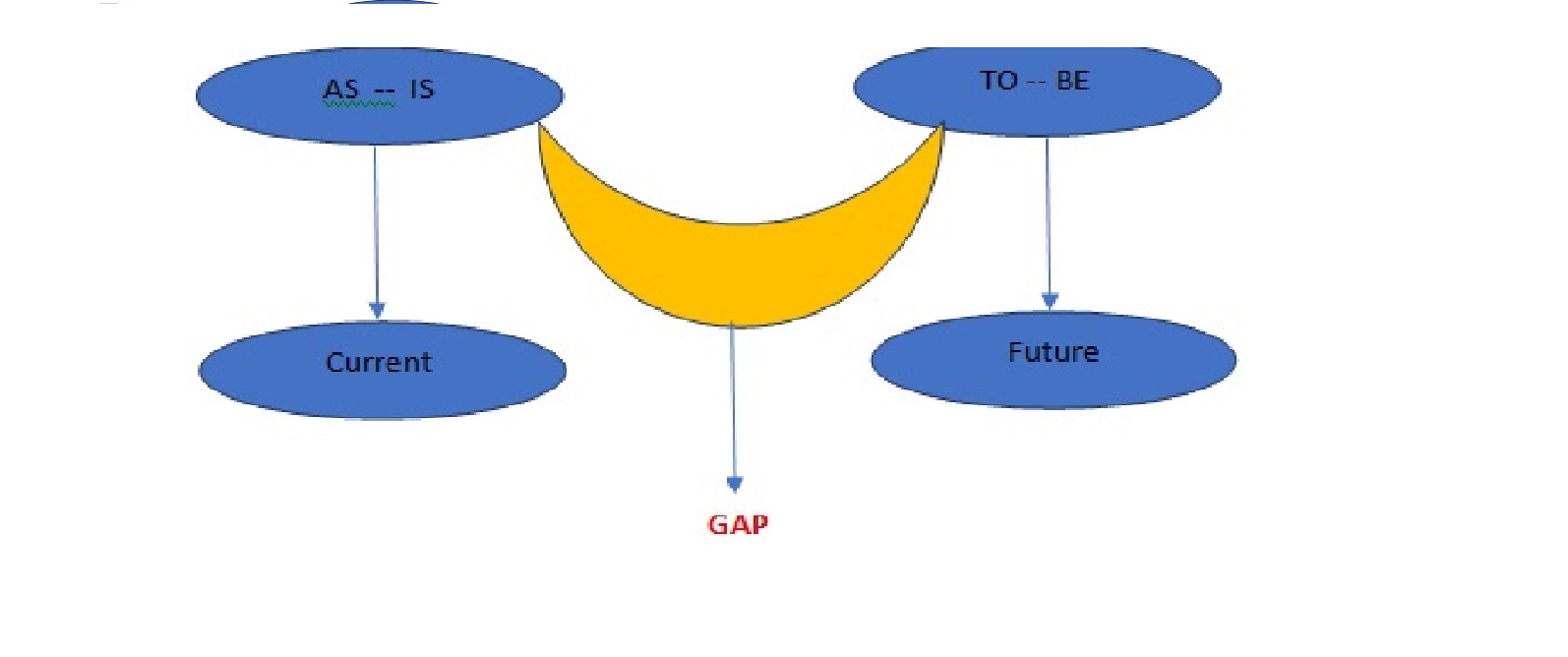
What is the GAP Analysis and why it is important? GAP means the difference between Current state and future state.
Who performed GAP Analysis?
This is a process performed by Business Analysts and Project Managers. The

As a Business Analyst we need to understand the requirements clearly, to understand the requirements as a Business Analyst we need to use techniques to understand the requirements. Let us observe Business Analyst elicitation techniques.
Elicitation is

Who are involving the project directly or indirectly are called as stake holders. Ex: Development Team, Testing Team(QA), client, SME’s and Architect. Stakeholder management is very important to gather the requirements.
And as a
Requirement is a need of customer. Business Analyst primary role is to understand the need of a customer and provide software solution to meets the customer expectation.
By seeing description